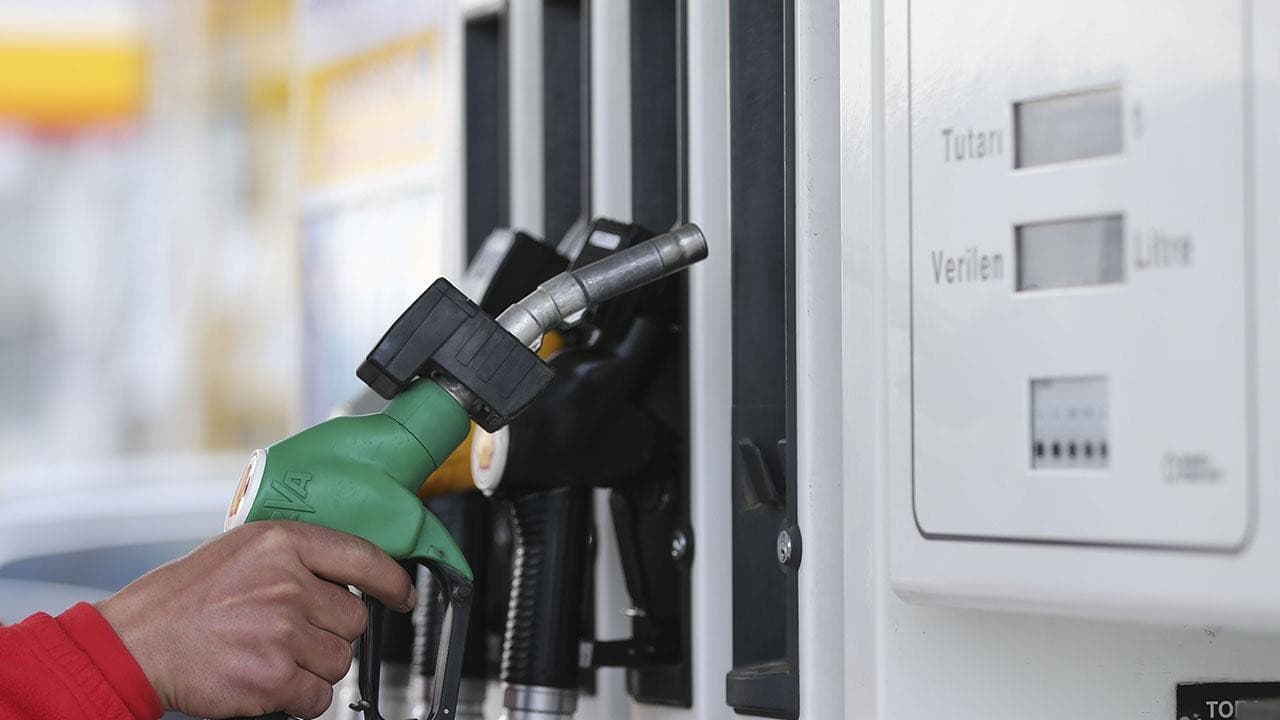
The Economic Roots of 1970s Queues and Lessons for Today's Markets
1970'lerde Türkiye'yi uzun benzin ve temel tüketim maddesi kuyruğuna sürükleyen şok dalgaları, günümüz yatırımcıları için kritik bir tarihsel ders sun

The shock waves that drove Turkey into long lines for gasoline and basic consumer goods in the 1970s offer a crucial historical lesson for today's investors.
Chain Reaction of Global Shocks
The 1973 Oil Crisis surged world oil prices by 300%, sharply raising energy costs. As an import‑dependent economy, Turkey felt the impact directly; production costs spiked across all sectors. A second oil shock in 1979 deepened the pressure, tightening liquidity in capital markets.
Foreign‑Exchange Squeeze and Import Dependence
With export earnings below 60% of total foreign‑exchange earnings, reserves fell to critical levels. The reserve decline hampered the procurement of oil, raw materials, and intermediate goods, causing production cuts and supply shortages. Consequently, basic consumer items vanished from store shelves.
Domestic Policy and Price Controls
The government's attempt to freeze basic‑goods prices pushed sellers out of the market as costs surged. Producers, faced with 150% inflation, turned to hoarding, amplifying demand fluctuations and lengthening queues.
Embargo Aftermath of the 1974 Cyprus Operation
The U.S. arms embargo following the 1974 Cyprus Peace Operation constrained credit flows beyond the defense sector. Its indirect effect heightened the foreign‑exchange crunch, exacerbating the existing crisis.
Takeaways for Modern Market Dynamics
Volkan Şen – As a high‑frequency trading and market‑depth specialist, the 1970s queue crisis serves as a warning for today’s liquidity‑risk management and external‑shock resilience strategies. Monitoring smart‑money flows while modeling gasoline and energy price volatility alongside foreign‑exchange dynamics is essential for portfolio protection and opportunity identification.
Related News & Analysis
View All →
Yapı Kredi Channels Historic 3 Trillion TRY to Economy in First Half of 2026

Automotive Tax Mechanics Shift: Minimum ÖTV and Fines Recalibrated
Yapı Kredi Profit Soars 36%: Is Value Lurking Below Book Value?

New Tax Guarantee: Turkey’s Bond Market Reclaims Confidence
Swiss National Bank's Q2 Windfall: CHF 25.7 Billion Profit

Yapi Kredi's H1 Performance: A 36% Surprise Amid Tight Monetary Policy
Latest Market News
All News →Yapı Kredi Channels Historic 3 Trillion TRY to Economy in First Half of 2026
Automotive Tax Mechanics Shift: Minimum ÖTV and Fines Recalibrated

Dollar's July Slide: Yen Intervention Sparks Market Shock

HSBC Exits Australian Retail Banking, Sells $36 Billion Portfolio to Blackstone
Yapı Kredi Profit Soars 36%: Is Value Lurking Below Book Value?