
Global Markets
Climate Change and Tariffs Spark a Cattle Surge: China's New Beef Strategy
724FinanceBora Yalın
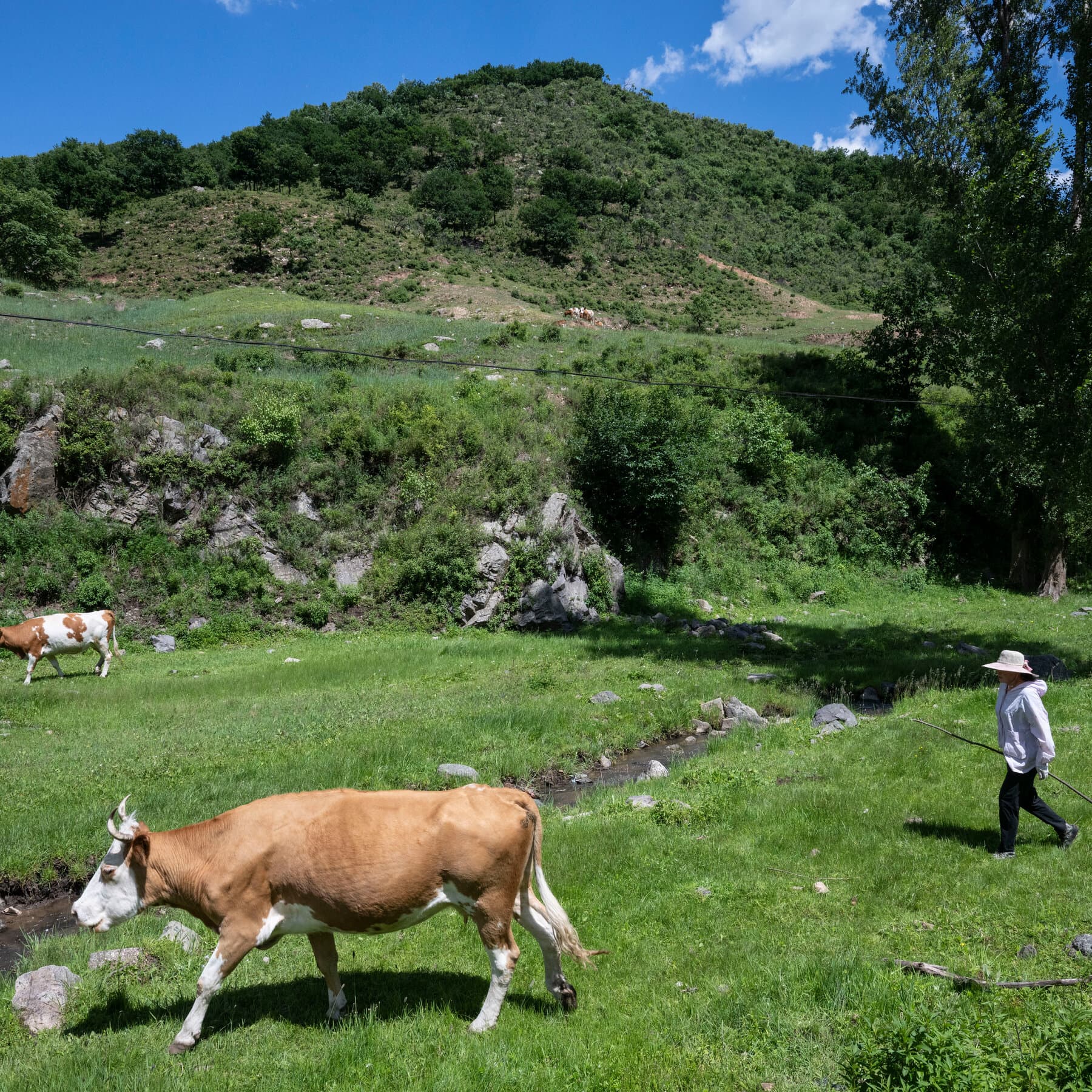
Global climate change and U.S. tariff policy have become the twin engines driving China's push to raise its cattle herd and curb its reliance on imported beef.
The Desert Turns Green: Rainfall Surge and Pasture Expansion
In north‑western China, annual precipitation has risen 20 %, converting former desert zones into expansive grass and corn fields. The newfound water resources enable local farms to achieve unprecedented feed efficiency for cattle.Tariff Wall: New Dynamics in U.S.–China Beef Trade
The U.S. imposed $30 billion in additional tariffs, pressuring China to cut beef imports by %10. This has spurred domestic producers to capture market share, backed by state‑subsidized expansion programs.Market Ripples: Cattle Prices and Import Flows
Global Beef Rebalancing: Risk‑On/Off Implications
Volatility in cattle prices is reshaping risk‑on strategies for commodity traders. Liquidity is moving toward Asian exchanges, with increased interest in beef futures, while U.S. agriculture feels the squeeze of reduced export demand.China's climate‑driven pasture boom and tariff barriers are creating a structural shift in the global beef market. This transition will redefine regional agricultural policies and international commodity flows; during risk‑off periods, commodity funds will likely see heightened demand as a safe‑haven asset. Bora Yalın, Senior Researcher, International Capital Flows.