
Beijing’s Mega Energy Push: China Solidifies Global Dominance with $25 Billion Nuclear Expansion
Dünyanın en büyük ikinci ekonomisi Çin, enerji arz güvenliğini garanti altına almak ve karbon nötr hedeflerine ulaşmak amacıyla nükleer enerji kapasit
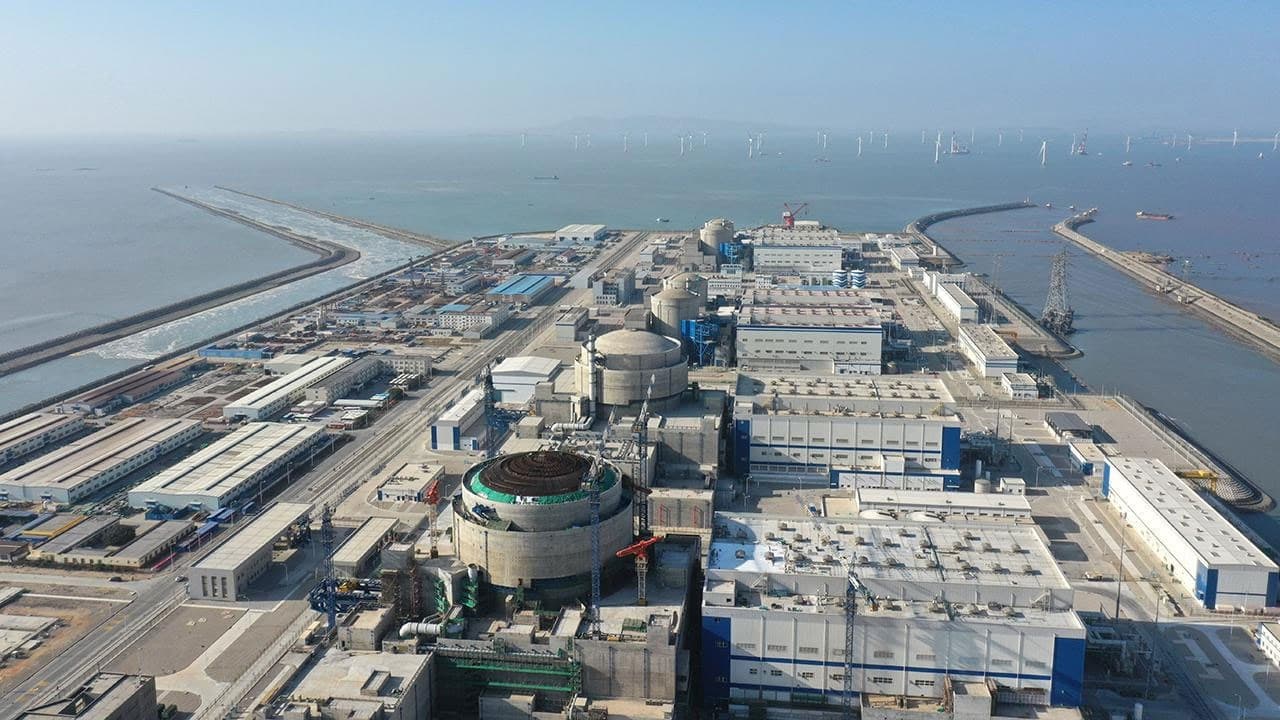
China, the world's second-largest economy, continues to aggressively expand its nuclear energy capacity to secure energy supply and meet its carbon neutrality targets. The Beijing administration has officially approved the construction of 8 new nuclear reactors across Zhejiang, Guangdong, Liaoning, and Shandong provinces. This massive infrastructure push is set to further solidify the country's leading position in the global clean energy arena.
Massive Financial Expansion in the Asian Giant's Energy Portfolio
According to data reported by Reuters, the total investment volume of this newly approved 8-reactor package is projected to exceed 170 billion yuan (approximately $25.2 billion). China's decisive expansion in the nuclear sector is not a sudden pivot, but rather a continuation of a highly structured, long-term strategic roadmap:
Macroeconomic and Commodity Market Implications of Infrastructure Investments
Beijing's multi-billion-dollar capital injection into nuclear energy will not only power its domestic grid but also trigger profound shifts in global commodity markets and macroeconomic balances. In particular, the structural rise in global uranium demand and the strategic reduction of fossil fuel dependency mark the beginning of a new pricing era in global energy markets.
China's aggressive expansion of its nuclear capacity sends a multi-dimensional signal to global macroeconomic analysts and monetary policymakers. While these massive capital expenditures (CapEx) aim to stimulate domestic demand and ensure uninterrupted industrial production, they are highly likely to create a structural supply-demand mismatch in the global uranium market over the medium term. For central banks, stabilizing energy costs through baseload power sources like nuclear energy acts as a crucial buffer against supply-side inflationary shocks. The People's Bank of China's (PBOC) targeted credit easing policies to support such strategic infrastructure projects will continue to underpin the nation's growth dynamics.
Related News & Analysis
View All →
Fed's Calendar Overhaul: Warsh's Bold Shift in Interest Rate Policy

August 1, 2026 Fuel Prices: Updated Benzine, Diesel, and LPG Rates for Istanbul, Izmir, and Ankara

Gold Prices on August 1, 2026: Current Trends for Gram, Quarter and Half Ounces

Historic Pension Boost: Minimum Retirement Salary Rises to **$1,265** – When Will the Extra **$194** Arrive?

Northwest European Gasoline Margins Slip Over $3: Market Mechanics and Implications

EU Tightens Grip on Temu: Foreign Subsidy Allegations and Audit Obstruction
Latest Market News
All News →TPAO, Bulgaristan Karadeniz'inde %33 Payla Petrol ve Doğalgaz Arama Haklarını Kazandı
Fed's Calendar Overhaul: Warsh's Bold Shift in Interest Rate Policy

Lloyds Bank’s Tech Chief: A Secret AI Contrarian

Pump.fun Dismisses Staff Two Months Before Token Payout
August 1, 2026 Fuel Prices: Updated Benzine, Diesel, and LPG Rates for Istanbul, Izmir, and Ankara