
CBRT’s Value-Added Pivot in FX Conversion: A Selective Move to Support Current Account Balance
Türkiye Cumhuriyet Merkez Bankası (TCMB), şirketlerin yurt dışı kaynaklı dövizlerini Türk lirasına (TL) dönüştürmesini teşvik eden mekanizmayı kökten
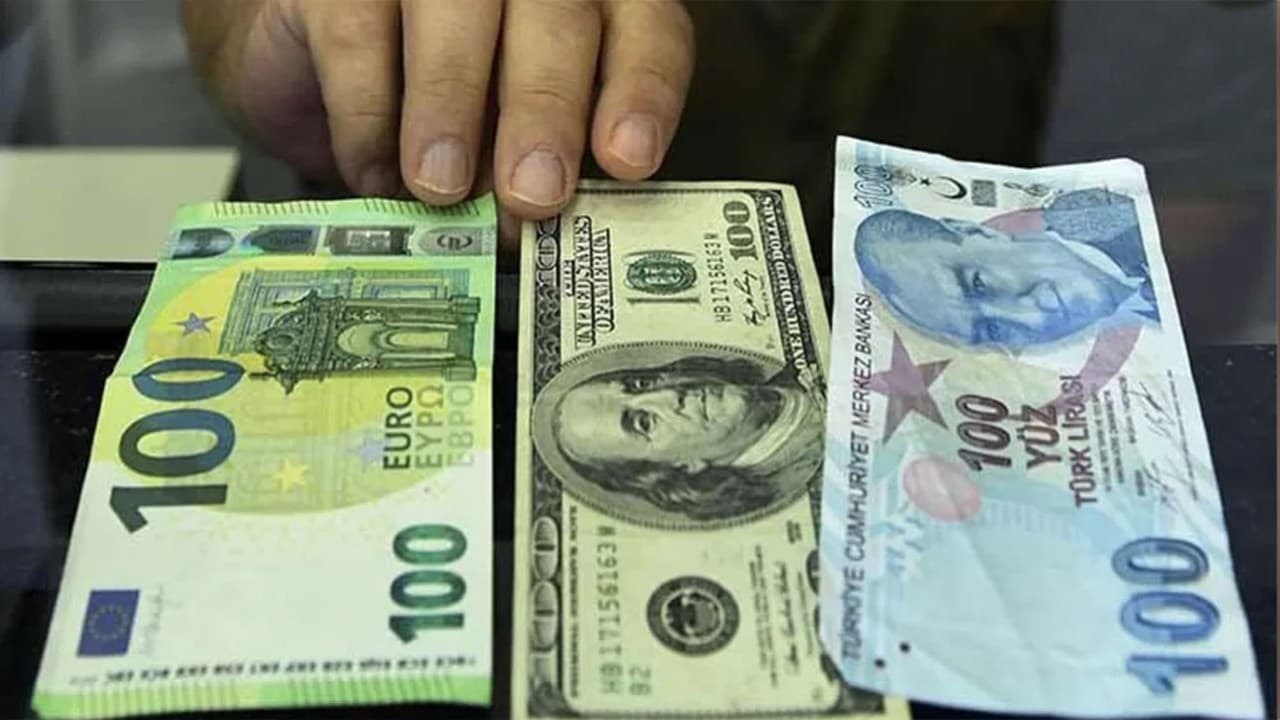
The Central Bank of the Republic of Turkey (CBRT) has fundamentally restructured its incentive mechanism encouraging corporate repatriation and conversion of foreign currency into Turkish Lira (TL), indexing the conversion support directly to the value-added ratios produced by firms. This regulatory shift, aiming to bolster reserve accumulation through a qualitative composition, signals a new phase of "selective and targeted" monetary policy transmission.
Shifting from Quantity to Quality in Reserve Accumulation
Under the new framework, instead of granting incentives solely based on the volume of FX converted, the CBRT will distribute support in proportion to the net value-added companies contribute to the Turkish economy. This strategic shift prioritizes high-localization exporters over import-dependent assembly industries.
The Efficiency Filter in the Liraization Strategy
Banking sources anticipate that this measure will curb artificial liquidity demand in the FX market and rationalize corporate treasury strategies. By prioritizing investments that reduce the current account deficit, this new model aims to enhance the quality of the CBRT’s balance sheet while preventing the injected TL liquidity from generating inflationary pressures.
This latest move by the CBRT is more than a mere effort to accumulate reserves; it is a deliberate attempt to synchronize monetary policy transmission with industrial policy. In an era where a classic hawkish stance tightens liquidity, value-added-based FX conversion support represents a new doctrine I call "qualified liraization." By rewarding actors who yield a net positive contribution to the current account rather than any FX-generating entity, the Central Bank seeks efficiency in resource allocation. This indicates that high-tech exporters will gain a significant financing edge, while import-dependent growth models will face escalating funding costs.
Related News & Analysis
View All →
Fed's Calendar Overhaul: Warsh's Bold Shift in Interest Rate Policy

August 1, 2026 Fuel Prices: Updated Benzine, Diesel, and LPG Rates for Istanbul, Izmir, and Ankara

Gold Prices on August 1, 2026: Current Trends for Gram, Quarter and Half Ounces

Historic Pension Boost: Minimum Retirement Salary Rises to **$1,265** – When Will the Extra **$194** Arrive?

Northwest European Gasoline Margins Slip Over $3: Market Mechanics and Implications

EU Tightens Grip on Temu: Foreign Subsidy Allegations and Audit Obstruction
Latest Market News
All News →TPAO, Bulgaristan Karadeniz'inde %33 Payla Petrol ve Doğalgaz Arama Haklarını Kazandı
Fed's Calendar Overhaul: Warsh's Bold Shift in Interest Rate Policy

Lloyds Bank’s Tech Chief: A Secret AI Contrarian

Pump.fun Dismisses Staff Two Months Before Token Payout
August 1, 2026 Fuel Prices: Updated Benzine, Diesel, and LPG Rates for Istanbul, Izmir, and Ankara