
TPAO's Black Sea Expansion: Strategic Energy Alliance Forged in Bulgaria
Türkiye Petrolleri Anonim Ortaklığı'nın (TPAO) yurt dışı operasyonel kolu olan Turkish Petroleum Overseas Company Limited (TPOC), Bulgaristan'ın Karad
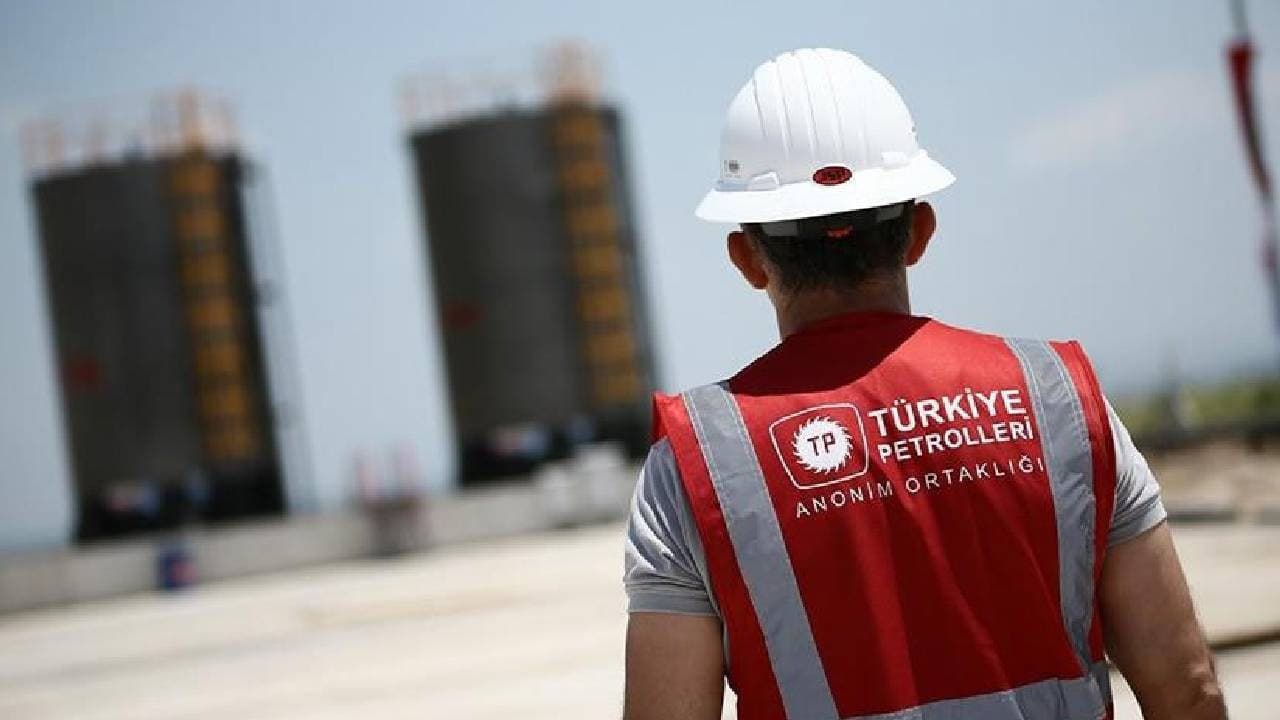
Turkish Petroleum Overseas Company Limited (TPOC), the international arm of the Turkish Petroleum Corporation (TPAO), has taken a critical step towards strengthening its strategic position in Bulgaria's exclusive economic zone of the Black Sea, marking a significant move for regional energy supply security. By acquiring a portion of Shell's rights and obligations, the company has signed off on a new partnership structure in the Han Tervel Block 1-26 field.
Shifting Power Dynamics in Han Tervel Block: The Shell and TPOC Alliance
The transfer process, officially approved by the Council of Ministers of Bulgaria, reveals a new model of collaboration among international energy giants. The partnership structure of the license field has solidified as follows based on the strategic weight of the stakeholders:
The Han Tervel Block 1-26 field originally came to the agenda with a contract signed with Shell in December 2025 and underwent its first structural change in April 2026 with the entry of OMV Petrom. With TPOC's inclusion, the oil and natural gas exploration potential in the field will now be managed by a tripartite mechanism.
Strategic Depth: The NATO-Financed Energy Corridor
In addition to exploration activities, another development concerning the infrastructure security of the region came from the Bulgarian government. Bulgartransgaz has been authorized to conduct pre-feasibility studies for a NATO fuel pipeline that will connect Greece and Turkey to Romania via Bulgaria. The strategic importance of the project is reflected in its funding sources:
This move indicates that Turkey's strategy for energy supply diversification is not merely about gaining operational capability beyond borders, but also serves as an intelligent hedge mechanism to disperse geopolitical risks. TPOC's presence in the Black Sea should be assessed as a leverage that will increase Ankara's bargaining power in discussions regarding Europe's energy supply security. Furthermore, the NATO-backed pipeline project serves as a tangible example of how deeply energy infrastructure is intertwined with security strategies.
Related News & Analysis
View All →
Euromek Elektrik: Redefining the Global Transformer Market Through R&D

Katılımevim Shoots to 7 Billion TL with 238% Unpaid Capital Increase

Global Tourism League Race: Turkey at Critical Threshold for Forex Inflow

BIM's Strategic Discount Maneuver: Retail Shield Against Food Inflation

Historic Leap in Russian Biotech: Cancer Vaccine on Investor Radar

Amazon and Microsoft Earnings Spark a Semiconductor Rally Across Asia
Latest Market News
All News →
Turkey's Employment Numbers: 7.6% Drop, 27.6-Point Gap in Female Idle Labor

Turkey-Maldives Trade Agreement Enters Force on August 1: 404 Tariff Lines Unlocking Market Access

Germany’s Auto Titans Face Tariff Heat and Electric Shift

Tourism Revenue Anchors at $65.2 Billion, Bolstering Economic Resilience

Taylor Wimpey Stuns Shareholders with Dividend Cut Amid Housing Slump
