Europe’s Winter Energy Crunch: Dwindling Gas Reserves and Iran War Fuels Price Surge
724FinanceBora Yalın
Key Highlights
Avrupa, kış aylarına girerken doğalgaz stoklarını kritik seviyelerde tutmakta zorlanıyor; aynı zamanda İran‑Ukrayna gerilimi enerji fiyatlarını yüksel
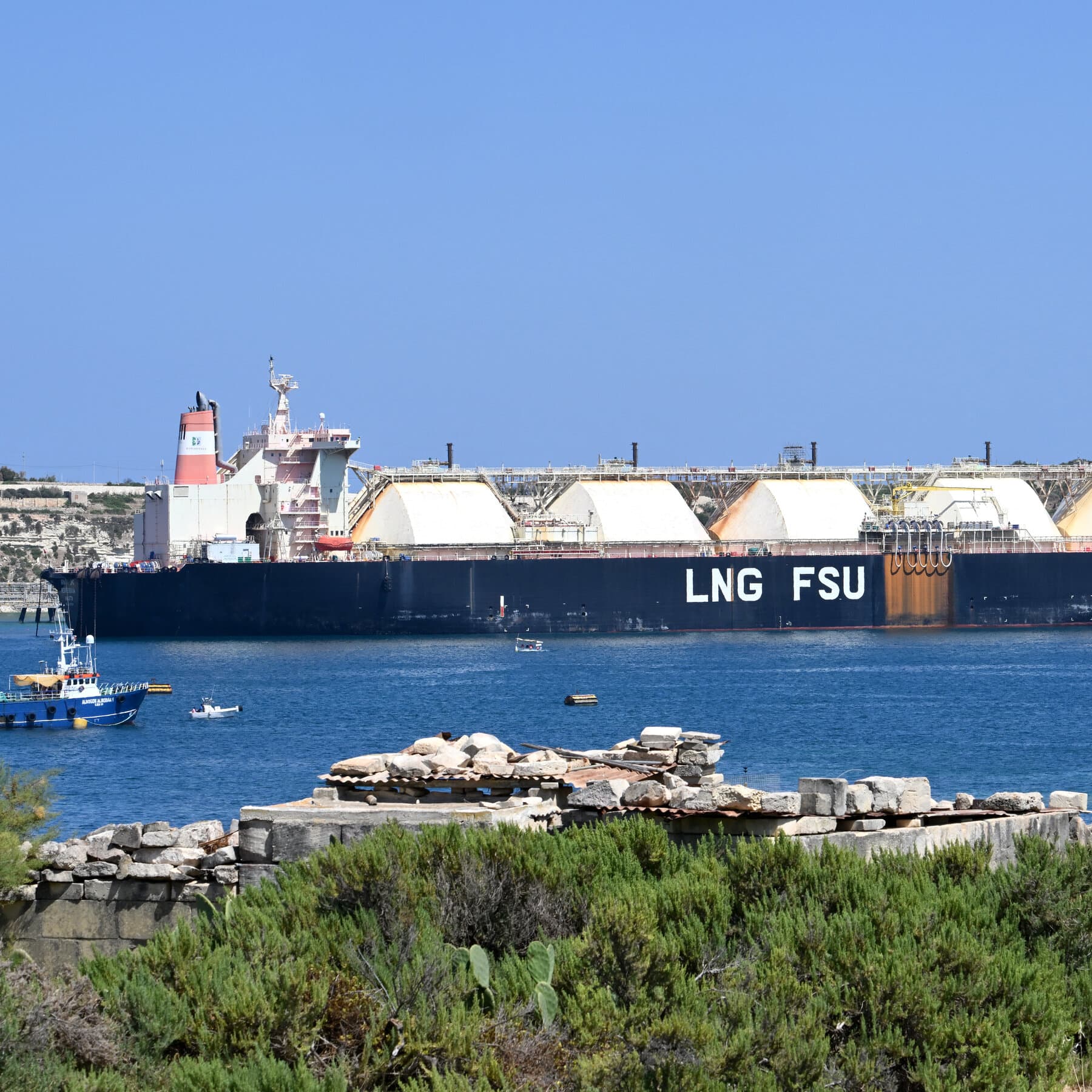
Europe is struggling to keep natural‑gas inventories at safe levels as winter approaches, while the Iran‑Ukraine flare‑up is pushing energy prices higher and squeezing household and corporate budgets.
Winter Prep: Gas Stocks and Price Pressure
Inventory levels remain ~15% below the needed buffer for the 2024‑2025 winter, translating to 30 billion cubic metres less than the 2021‑2022 season. The three biggest consuming nations — Germany, France, and Italy — now have an average supply horizon of 5‑6 days, roughly half the historical norm.Ripple Effects of the Iran Conflict
The renewed Iran‑Ukraine hostilities have constrained gas flows from the Middle East to Europe, lifting spot prices by 35%. Shipping bottlenecks and heightened transport risk have spurred LNG demand up 22%, reshaping Europe’s long‑term contract market.Liquidity and Risk‑On/Off Dynamics in European Markets
Gas price swings have funneled risk‑on capital into energy equities and high‑yield infrastructure funds, while Euro‑Bond spreads have widened as investors adopt short‑term risk‑off stances toward safe‑haven assets.Tactical Playbook and Portfolio Adjustments
Institutional investors should boost physical hedges and swap usage to mitigate gas price volatility. Simultaneously, funds targeting green‑energy infrastructure are gaining appeal as long‑term risk‑off balancers.As Europe’s gas inventories inch toward critical lows, market volatility will inevitably rise. The Iran‑Ukraine conflict’s impact on long‑term energy supply security will be a key driver of risk‑on/off cycles. Hedge funds and corporate portfolio managers must broaden swap and option strategies while leaning into green‑energy infrastructure to build a resilient, long‑term risk‑balancing overlay. This approach will temper liquidity strains and capture the upside of heightened price swings.
Related News & Analysis
View All →
Larry Ellison’s AI Bet: Oracle’s Massive Debt Load and Data‑Center Blitz

New York Sues Kalshi: Prediction Market Faces Illegal Gambling Charge

Oil Price Peak Still Years Away: Market Implications

Ares Secures Largest Flagship Credit Fund Commitments in Three Years

A 'Water-Neutral' Revolution from a 103-Year-Old Firm for AI Data Centers
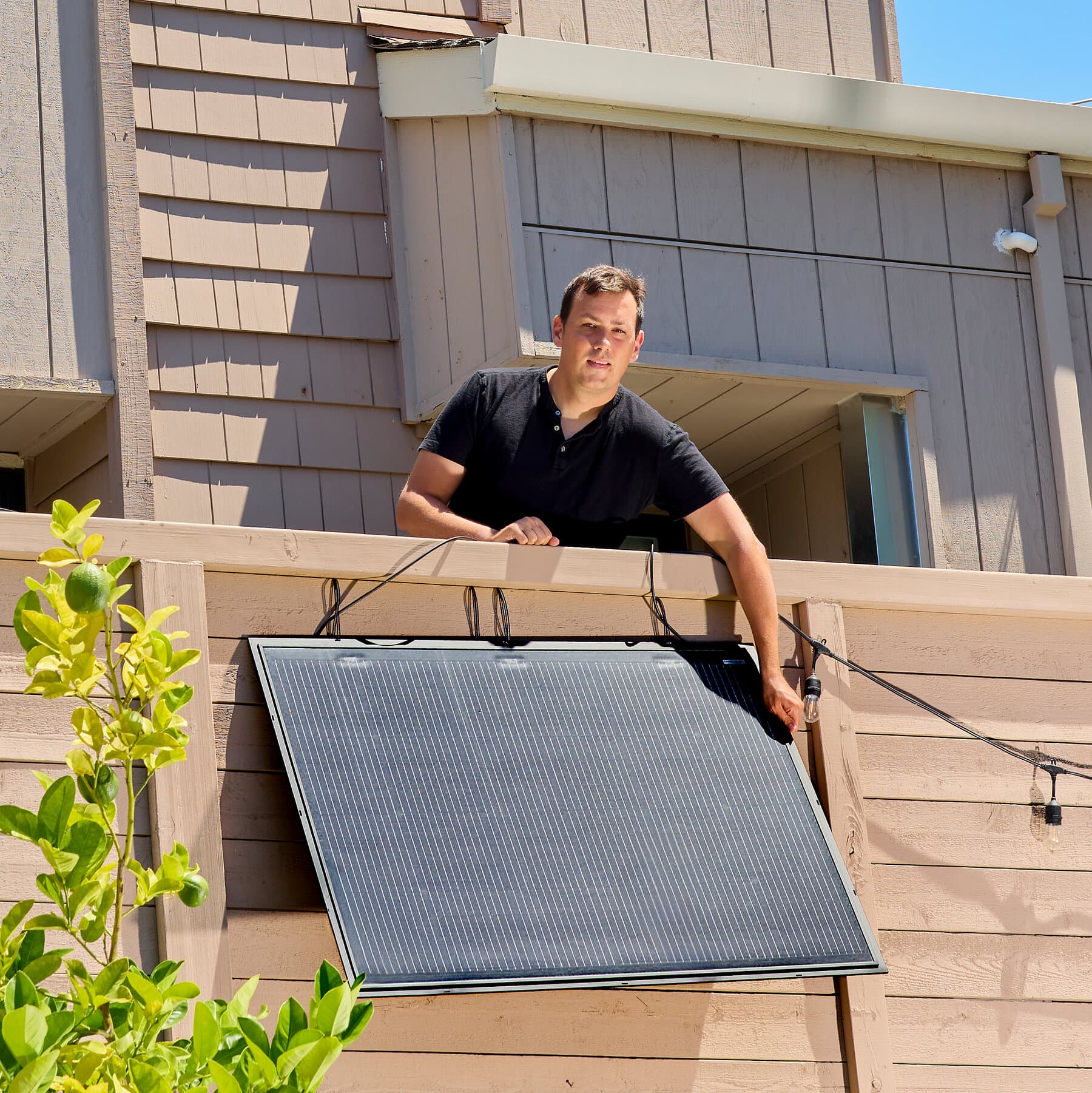
Democratization of Energy in the U.S.: Plug-In Panels Challenge Centralized Utilities
Latest Market News
All News →
Turkey’s Agricultural Procurement Surge: 10 Million Tons and Market Implications
![[TRENJ] TR DOĞAL ENERJİ KAYNAKLARI ARAŞTIRMA VE ÜRETİM A.Ş.
Bağımsız Denetim Kuruluşunun Belirlenmesi - 2026 Yılı Faaliyet Dönemi İçin Bağımsız Dış Denetim Kuruluşunun Tescili](/_next/image?url=%2Fuploads%2Fkap-default.png&w=3840&q=75)
[TRENJ] TR DOĞAL ENERJİ KAYNAKLARI ARAŞTIRMA VE ÜRETİM A.Ş. Bağımsız Denetim Kuruluşunun Belirlenmesi - 2026 Yılı Faaliyet Dönemi İçin Bağımsız Dış Denetim Kuruluşunun Tescili
[TRENJ] TR DOĞAL ENERJİ KAYNAKLARI ARAŞTIRMA VE ÜRETİM A.Ş. Genel Kurul İşlemlerine İlişkin Bildirim - 2025 Yılı Hesap Dönemi Olağan Genel Kurul Tescili
[MTRYO] METRO YATIRIM ORTAKLIĞI A.Ş. Performans Sunuş Raporu - 01.01.2026-30.06.2026 dönemine ait Portföy Yönetim Performansına İlişkin Açıklama
[TRALT] TÜRK ALTIN İŞLETMELERİ A.Ş. Payların Geri Alınmasına İlişkin Bildirim - 31.07.2026 Tarihli Pay Geri Alım İşlemleri Hk.