
Red Sea Energy Lock: Oil Markets in Geopolitical Vice
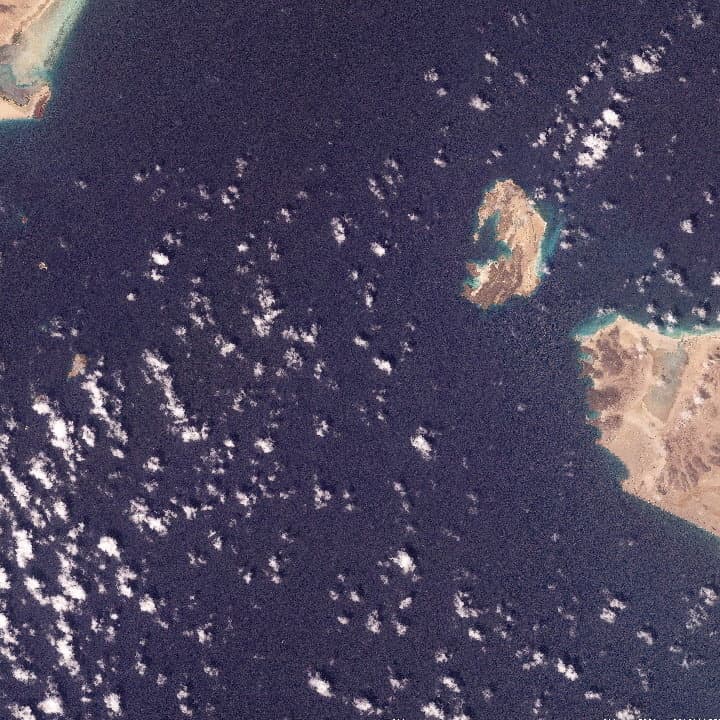
The renewed threat to navigation security in the Red Sea has pushed global energy supply security to a critical threshold, evolving into a new risk factor triggering volatility in oil markets. The Houthis' threat to completely blockade the region is not merely a security issue but signifies a potential clogging of one of the main arteries of global trade.
From Hormuz to the Red Sea: The Critical Break in the Supply Chain
Saudi Arabia had strategically positioned the Red Sea route as a vital alternative to reduce its dependence on the Strait of Hormuz for oil exports. However, the military tension in the region is rendering this "Plan B" dysfunctional.
The Return of the Risk Premium in Brent and WTI
As energy markets begin to price in the possibility of supply disruptions, the geopolitical risk premium is exerting upward pressure on the price per barrel. Europe's energy diversification efforts, in particular, could be hampered by this bottleneck.
This upward momentum in energy prices paints a highly risky picture for the European Central Bank (ECB). The process of bringing Eurozone inflation down to the 2% target could be slowed by this shock in energy costs. Should the Red Sea blockade become permanent, it would be inevitable for the ECB to postpone its rate cut schedule and adopt a more hawkish stance. The disruption of energy supply amidst global trade wars brings the risk of stagflation back to the table.