
Geopolitical Risk in the Strait of Hormuz: Energy Markets on Alert
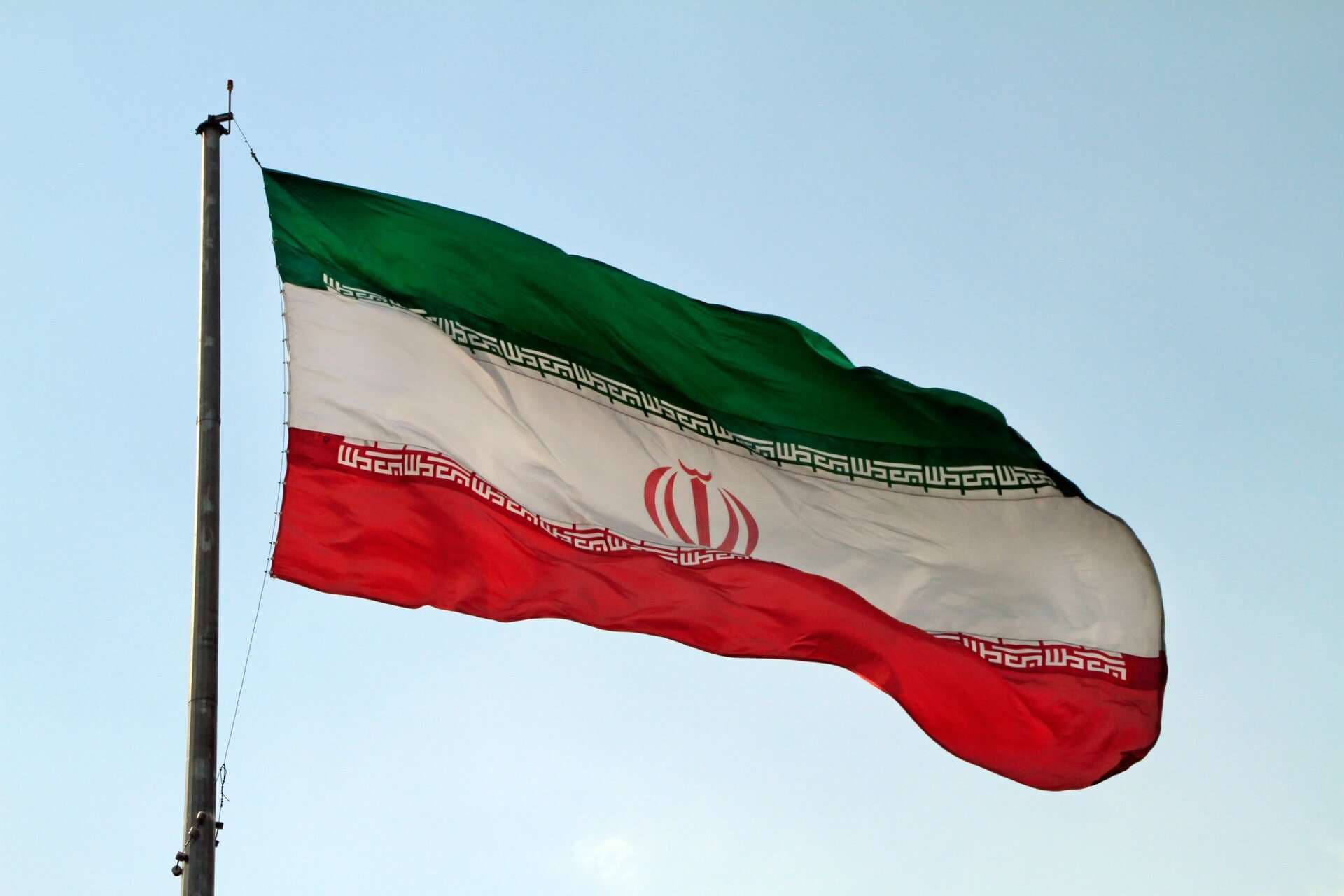
Iran's diplomatic outreach to Europe and its warning to regional countries regarding the Strait of Hormuz have once again brought the uncertainty of global energy supply security to the forefront. The Tehran administration's stern tone signals the potential for the strategic waterway to become a zone of conflict, marking a distinct place on investors' radars as the geopolitical risk premium rises.
Rising Geopolitical Risk in Energy Corridors
The tension in the Strait of Hormuz, a critical point for global oil supply, stands out as a primary factor triggering volatility in commodity markets. Iran's warning holds the potential to initiate a new pricing cycle in energy assets, serving as more than just a regional political message.
Strategic Balances Challenging Diplomacy
The simultaneous presentation of a call for diplomacy to Europe and a military tone indicates Tehran's strategy of utilizing both pressure and bargaining power simultaneously. Market participants are debating how this dual approach will shape freight rates and energy import costs in the short term.
In market depth data, I am observing a significant volume increase in long positions for the energy sector over the last 24 hours. Smart money has deployed hedge mechanisms before geopolitical risks are fully priced in. The increase in the number of open positions in the futures market sends a strong signal that pricing may remain aggressive in the short term.