
Economy

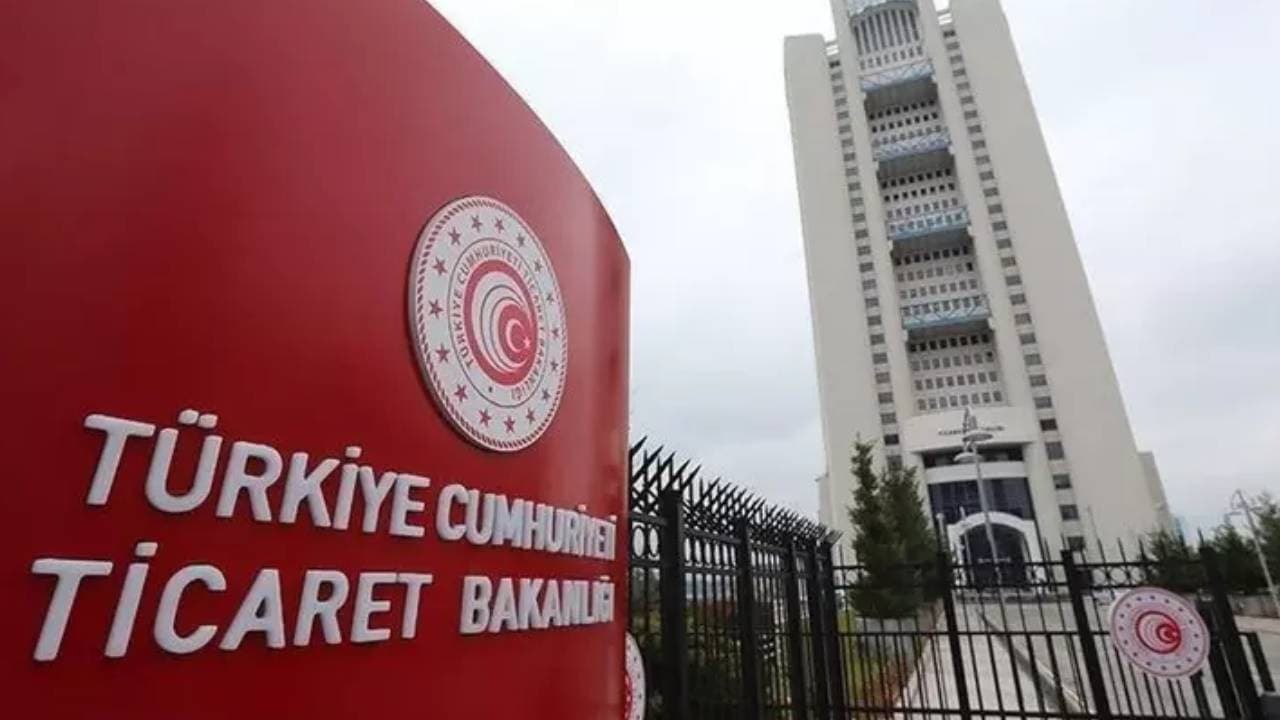
5% Value Flexibility in Imports: New Regulation from Turkey’s Ministry of Trade
724FinanceDr. Aslıhan Demir
5% Value Flexibility in Imports: New Regulation from Turkey’s Ministry of Trade

The Ministry of Trade’s newly published “Amendment to the Regulation on Supervision in Imports”, introduces a 5% value flexibility into import procedures.

A New Flexibility Framework

The amendment allows imports to proceed provided that the value discrepancy identified during customs declaration does not exceed 5%, aiming to reduce uncertainty and accelerate trade flows.

Operational Impacts and Implementation Timeline

  • During customs declaration registration, if the customs‑determined value exceeds the value stated in the certificate by less than 5%, the import will be approved.
  • Exceeding the 5% threshold will require a re‑issuance of the certificate.
  • The regulation comes into force on July 17, 2026.
  • Importers must adjust their declaration processes to align with the new value‑control mechanism.
  • Strategic Playbook for Stakeholders

    Importers and customs brokers should strengthen system integration, update data‑validation procedures, and redesign internal audit routines to pre‑empt compliance risks. Early coordination with supply‑chain partners can also mitigate delays in document preparation.

    Market and Trade Ripple Effects

    The added flexibility may lower cost uncertainty for high‑volatility commodities and technology imports, potentially boosting liquidity and trading volumes for related sectors on the BIST and VİOP markets.

    This amendment adds a layer of transparency and predictability to Turkey’s external trade regime. Capping the value discrepancy at 5% offers short‑term protection against price swings while prompting importers to revisit their risk‑management strategies. In an environment marked by exchange‑rate volatility and global supply‑chain constraints, the flexibility is expected to contribute positively to market stability.
    Dr. Aslıhan Demir

    Financial Analyst: Dr. Aslıhan Demir

    Makroekonomi ve Para Politikaları Akademisyeni. FED (Federal Reserve) ve TCMB tutanaklarını satır satır okuyan, faiz kararlarının güvercin (dovish) veya şahin (hawkish) tonlarını analiz eden baş ekonomist.

    Disclaimer: The investment information, comments, and recommendations contained herein are not within the scope of investment advisory. Investment advisory services are provided individually by authorized institutions, taking into account the risk and return preferences of individuals. The comments and recommendations contained herein are general in nature. These recommendations may not be suitable for your financial situation and your risk and return preferences. Therefore, making an investment decision based solely on the information contained herein may not produce results that meet your expectations.

    © 2026 724Finance - All Rights Reserved.Original Source: Ekonomim.com