
Economy

Canadian Dollar in Freefall: Historic Yield Gap Between Fed and BoC

724FinanceDr. Aslıhan Demir
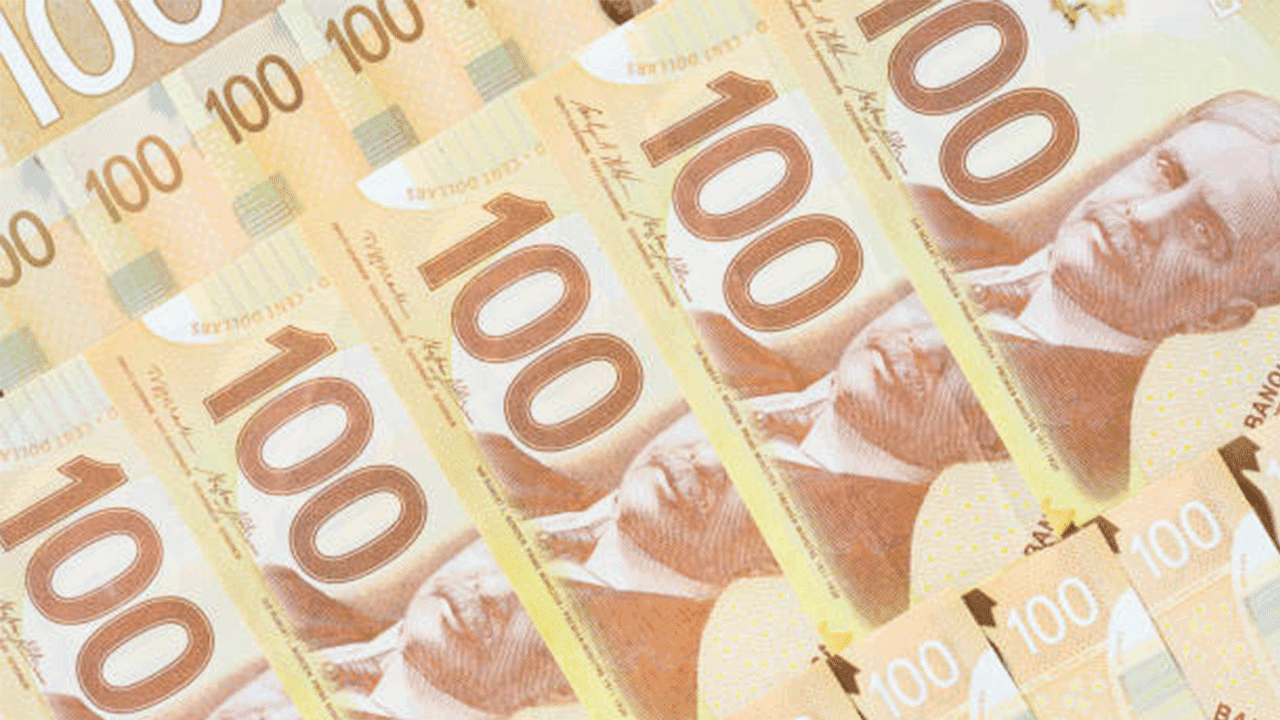
Canadian Dollar in Freefall: Historic Yield Gap Between Fed and BoC

The Bank of Canada's (BoC) decision to keep interest rates steady at 2.25% casts a shadow under the Federal Reserve's hawkish stance, causing the bond yield gap between the two nations to climb to historic peaks and placing unprecedented pressure on the Canadian Dollar.

Historic Yield Divergence and Monetary Policy Mismatch

As the US maintains a tight monetary policy and keeps yields at peak levels, it becomes more attractive to investors compared to Canada's stance, significantly devaluing the Canadian Dollar (CAD).
  • The Bank of Canada kept the policy rate steady at 2.25%.
  • The bond yield spread between the US and Canada reached historical levels.
  • Speculative short positions in financial markets hit record highs.
  • The Double Blow of Trade Wars and Energy Prices

    Protectionist trade policies and tariff uncertainties weaken Canada's export-oriented growth model, while a contraction in energy revenues is turning the trade balance negative.
  • Annual growth forecasts were revised down to 0.7%.
  • A decline was observed in industrial production and manufacturing capacity utilization rates.
  • Easing in crude oil prices is undermining the country's largest revenue item, energy exports.
  • Inflation Dynamics and Future Policy Outlook

    With inflation retreating to 2.8% in June, market expectations are strengthening that the BoC may move towards easing monetary policy in the upcoming period.
  • A chronic slowdown in consumption expenditures was detected.
  • Weakness in domestic demand brings new rate cut scenarios to the agenda.
  • Unless the gap between macroeconomic policies closes, the fragile course is expected to turn into a long-term trend.
  • Despite the decline in inflation, the Bank of Canada's stance is perceived as dovish due to the widening gap with the Fed. However, structural issues such as trade uncertainties and volatility in energy prices are too deep to be resolved solely by monetary policy. Investors are currently flocking to US treasuries, and CAD's weakness appears set to continue until this yield spread narrows.
    Dr. Aslıhan Demir

    Financial Analyst: Dr. Aslıhan Demir

    Makroekonomi ve Para Politikaları Akademisyeni. FED (Federal Reserve) ve TCMB tutanaklarını satır satır okuyan, faiz kararlarının güvercin (dovish) veya şahin (hawkish) tonlarını analiz eden baş ekonomist.

    Disclaimer: The investment information, comments, and recommendations contained herein are not within the scope of investment advisory. Investment advisory services are provided individually by authorized institutions, taking into account the risk and return preferences of individuals. The comments and recommendations contained herein are general in nature. These recommendations may not be suitable for your financial situation and your risk and return preferences. Therefore, making an investment decision based solely on the information contained herein may not produce results that meet your expectations.

    © 2026 724Finance - All Rights Reserved.Original Source: Ekonomim.com