
Tension in the Strait of Hormuz: Tanker Traffic Decreases
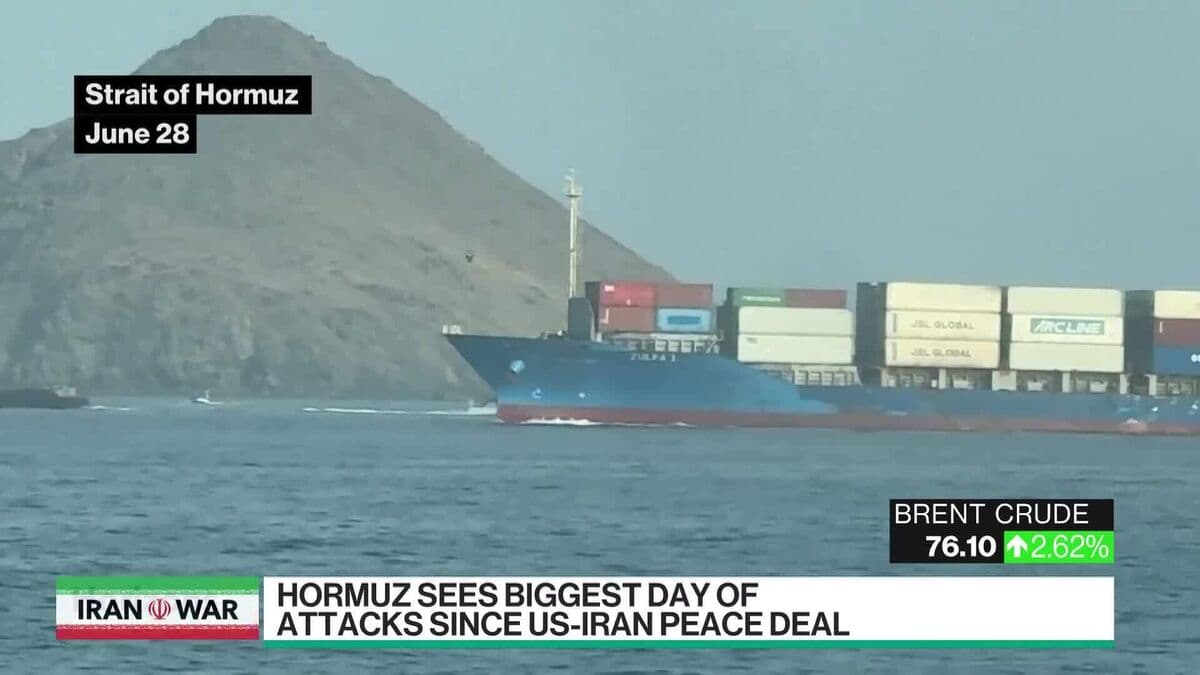
The Strait of Hormuz is considered a critical transit point for global energy markets. The tanker traffic passing through this region facilitates the distribution of energy sources such as oil and natural gas worldwide. However, recent tensions and the US attack on Iran have led to a decrease in tanker traffic in this region.
The Importance of the Strait of Hormuz
The Strait of Hormuz is a waterway approximately 30 kilometers wide, connecting the Persian Gulf to the Gulf of Oman. This strait serves as a transit point for approximately 20% of global oil production and 30% of global natural gas production.
US Attack on Iran
The US attack on Iran has increased tensions in the region. Iran has retaliated against this attack by targeting some oil tankers, leading to a decrease in energy traffic in the region.
Decrease in Tanker Traffic
Recently, the number of tankers passing through the Strait of Hormuz has decreased. This decrease has led to an increase in energy prices. Brent oil prices have risen by nearly 10% in recent times.
Market Reaction
Energy markets have been negatively affected by the tensions in the Strait of Hormuz. The increase in energy prices can negatively impact the global economy.
Conclusion: The Blow to the Energy Corridor from the Crisis in Hormuz
Tensions in the Strait of Hormuz are negatively affecting energy markets. The decrease in tanker traffic has led to an increase in energy prices. This situation can negatively impact the global economy. Experts emphasize the need for diplomatic efforts to reduce tensions in the region.