
Global Markets
Trump's Trade Squeeze: Canada's Defiant Stance Under Carney
724FinanceKemal Tekin
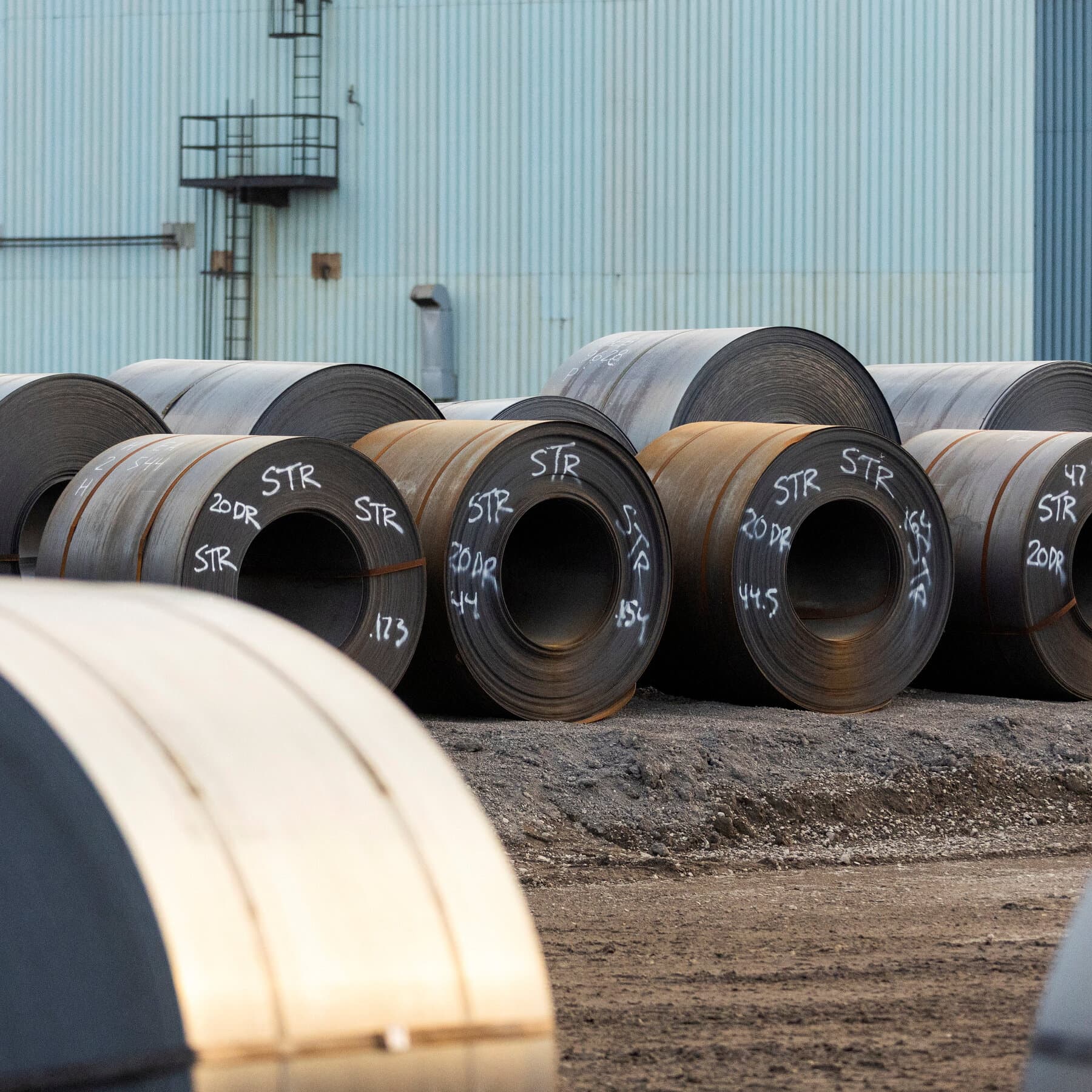
Washington's latest maneuver to recalibrate North American trade dynamics places Canada in the crosshairs of a renewed economic offensive. While the U.S. President leverages tariffs on a paramount trading partner to extract concessions, the resolve from Ottawa suggests a readiness to absorb the economic shock rather than capitulate. Markets are closely scrutinizing this standoff, weighing the implications for global supply chains against the backdrop of Canada's refusal to yield.
The Calculated Leverage of Tariffs
The implementation of fresh tariffs serves as more than a mere trade barrier; it is a strategic elevation of negotiation leverage designed to force counterparties to the table. The core objective remains firmly rooted in extracting specific political and economic concessions from the neighboring nation.The Fortress Canada Strategy and the Carney Factor
Both the Canadian government and the public have been bracing for months for an escalation scenario. Influential figures within the economic administration emphasize a strategy of resilience and potential retaliation rather than submission to U.S. pressure. In this context, the stance of Mark Carney, the former Central Bank Governor and a figure of market confidence, has become emblematic of Canada's defiant trade diplomacy.From my perspective at the Emerging Markets desk, the U.S.-Canada tension is not merely a regional issue but a fresh indicator of fracturing global trade blocs. Such protectionist measures raise costs within the NAFTA geography while simultaneously posing risks of demand contraction for Asia-Pacific exporters. Canada's firm stance tests U.S. negotiation power but is likely to weigh on global risk sentiment in the short term and accelerate the flight to safe-haven assets.