
Environmental Disaster in Hungary: Mayor Orders Battery Manufacturer to Leave the City
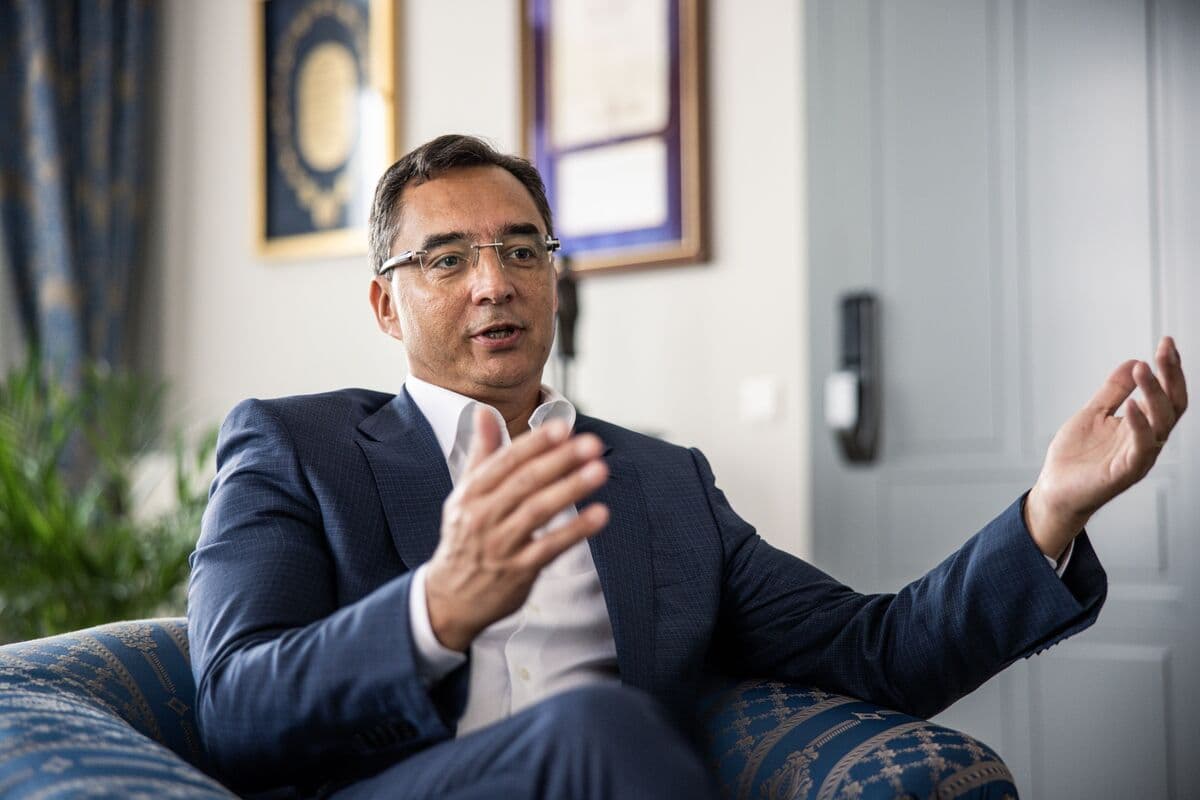
As a strategist closely monitoring European markets, I am carefully following the developments in Hungary's second-largest city. One of the most significant news items in recent days has been the closure of Chinese battery parts manufacturer Semcorp's new factory due to environmental violations. The mayor of Debrecen, Hungary's second-largest city, is inviting the company to leave the factory, in which it invested 65 billion forints (approximately 210 million US dollars). This incident serves as an important example of how global trade wars and environmental policies can influence companies' investment decisions.
The closure of Semcorp's investment in Hungary represents a significant blow not only for the company but also for the country's economy. In recent years, Hungary has taken important steps to attract foreign investment, and as a result of these efforts, many international companies decided to invest in the country. However, as the importance given to environmental issues increases, companies' investment decisions have also begun to be affected by these factors. The European Union's environmental policies and standards continue to shape the operations of companies in member states. In this context, Semcorp's investment in Hungary is seen as an indicator of the problems companies may face if they fail to consider their environmental responsibilities.
From the perspective of the European Central Bank (ECB) and global trade wars, this event needs to be evaluated from a broader perspective. Global trade wars have become one of the significant factors influencing companies' investment decisions. While companies are forced to reduce costs and increase efficiency to compete in global markets, they must also consider their environmental and social responsibilities. This development in Hungary indicates that companies need to take environmental factors more into account when making investment decisions. This situation could also play an important role in shaping the ECB's monetary policy decisions, as the impact of environmental factors on economic growth is increasingly being taken into consideration.