
The Move That Will Change the Fate of the Global Economy: A Decision from the US Striking Anthropic!
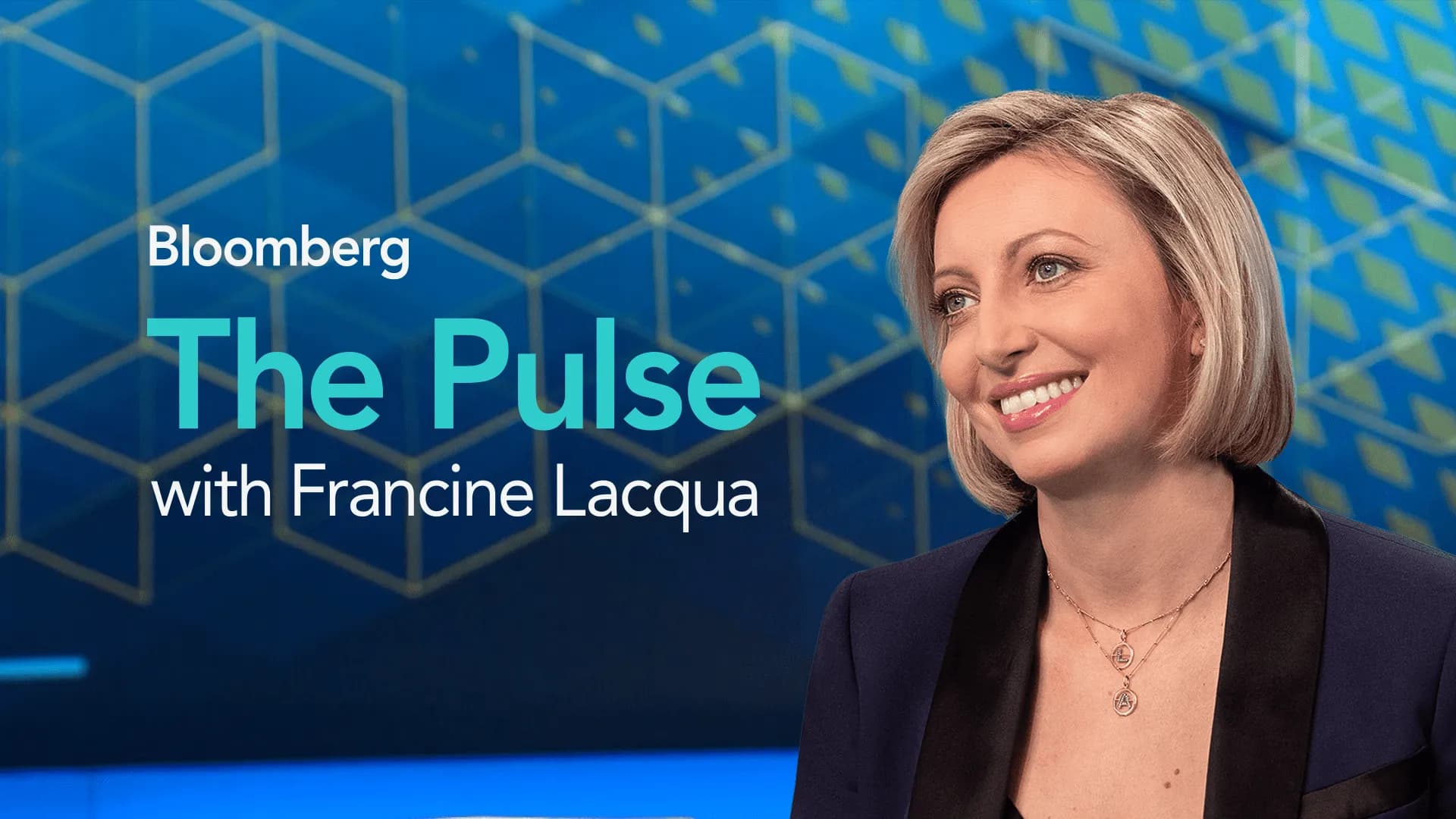
Significant developments shaping the world economy continue to keep a pulse on global markets. Most recently, the lifting of restrictions related to Anthropic in the U.S. and Kevin Warsh's debut on the global stage brought together leading figures in the investment world. The London-based program "The Pulse With Francine Lacqua" hosts conversations at the heart of economics, finance, and politics. The latest episode featured prominent names such as Bundesbank President Joachim Nagel, South African Reserve Bank Governor Lesetja Kganyago, Vanguard's European Chief Economist Jumana Saleheen, and Morgan Stanley's Global Chief Economist and Head of Macro Strategy Seth Carpenter.
As an emerging markets researcher, I closely monitor the impact of these recent developments in the global economy, particularly on developing countries. The U.S. lifting restrictions related to Anthropic represents a significant step in technology and innovation, potentially increasing competition in the global economy. This situation may steer developing countries towards increasing their investments, especially in the fields of technology and innovation. However, at the same time, these countries may need to be more prepared for fluctuations in global markets.
The program's guests evaluated the latest developments in the global economy and their impacts on markets. Bundesbank President Joachim Nagel shared his views on the state of the European economy and future expectations. South African Reserve Bank Governor Lesetja Kganyago discussed how developing countries can adapt to changes in the global economy. Vanguard's European Chief Economist Jumana Saleheen and Morgan Stanley's Global Chief Economist and Head of Macro Strategy Seth Carpenter assessed the latest developments in global markets and what they mean for investors. These conversations provided important insights for better understanding the impact of recent global economic developments, especially on developing countries.